Japan Travel Guide for First-Timers: Tokyo, Kyoto, Osaka and Beyond
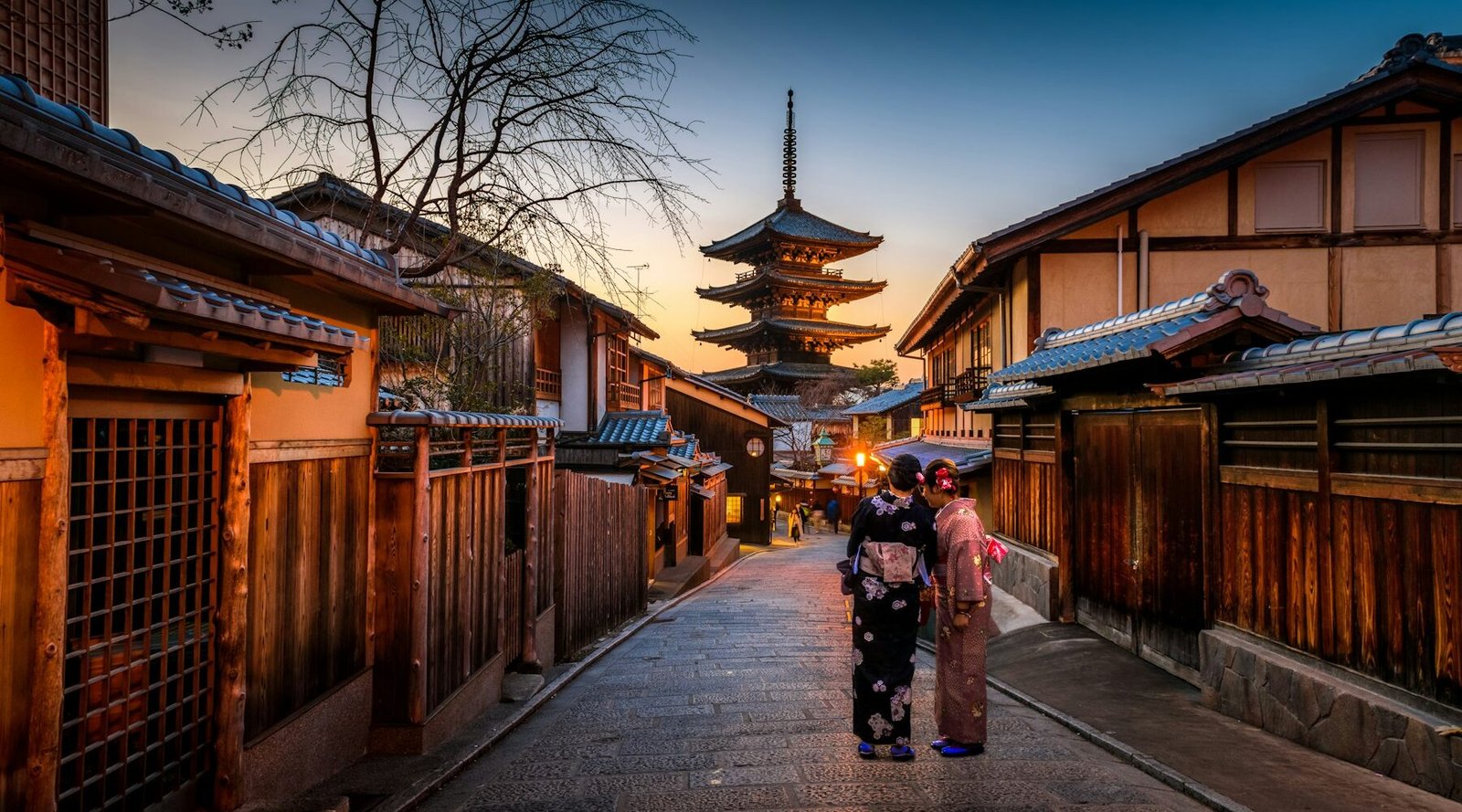
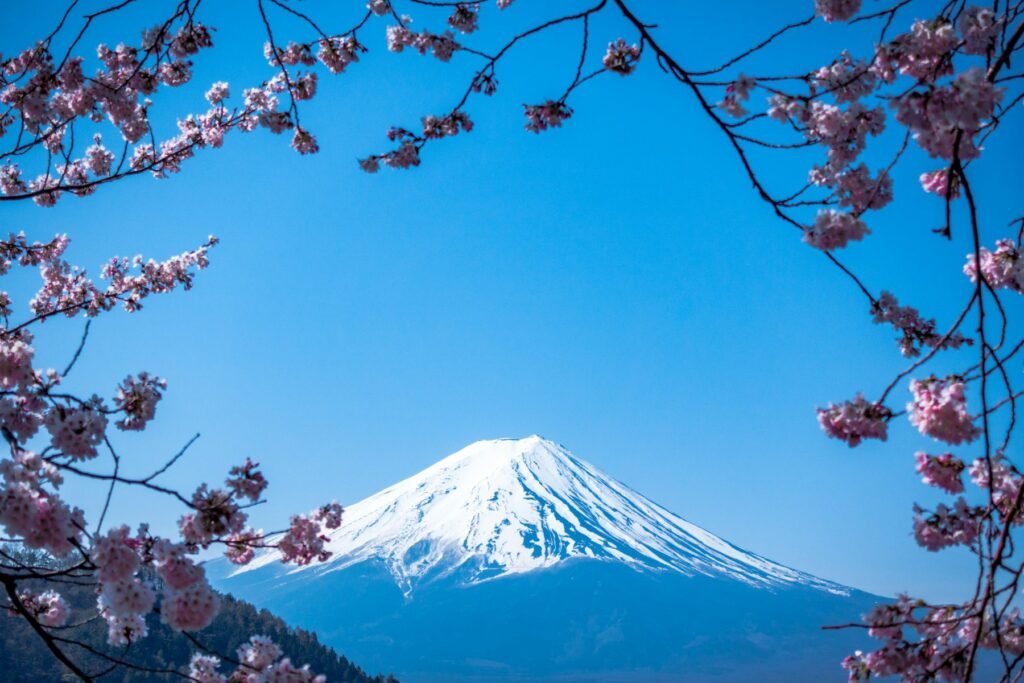
Japan is one of those destinations that lives up to the hype. Neon-lit Tokyo, temple-filled Kyoto, food-obsessed Osaka, snow-capped Mount Fuji and steaming hot-spring towns — all connected by some of the most efficient trains in the world. For first-time visitors it can also feel a little overwhelming. This guide breaks it down: when to go, where to stay, how to get around and the etiquette that helps you travel with confidence.
When to visit Japan
| Season | What to expect |
|---|---|
| Spring (March–May) | Cherry blossom season, typically peaking around late March to early April in Tokyo and Kyoto. Beautiful but very busy — book early. Golden Week (late April–early May) is a major domestic holiday period. |
| Summer (June–August) | A rainy season in early summer, then hot, humid weather and lively festivals and fireworks. |
| Autumn (September–November) | Comfortable temperatures and stunning autumn colours, especially in November. |
| Winter (December–February) | Crisp, clear days in the cities, world-class powder skiing in Hokkaido and the Japanese Alps, and fewer crowds at major sights. |
A classic first-timer route
Tokyo (4–5 days)
Start in the capital: explore historic Asakusa and Senso-ji temple, the fashion and youth culture of Harajuku and Shibuya, the peaceful Meiji Shrine, and neighbourhoods like Shinjuku for dining and nightlife. Day trips to Nikko, Kamakura or the Mount Fuji area are easy by train.
Kyoto (3–4 days)
Japan’s former imperial capital is home to hundreds of temples and shrines, from the thousands of torii gates of Fushimi Inari to the bamboo groves of Arashiyama and the historic lanes of Gion and Higashiyama. Visit popular sights early in the morning to enjoy them before the crowds.
Osaka (2–3 days)
Osaka is Japan’s street-food capital. Try takoyaki and okonomiyaki in Dotonbori, visit Osaka Castle, and use the city as a base for day trips to Nara, with its free-roaming deer and giant Buddha, or to Hiroshima and Miyajima by bullet train.

Getting around
- Shinkansen (bullet trains) connect major cities quickly and comfortably.
- Rail passes: the Japan Rail Pass can be good value for some long-distance itineraries, but prices have risen in recent years — compare it with individual tickets for your exact route before buying.
- IC cards such as Suica, PASMO and ICOCA make local trains, subways and buses easy, and can also be used in many convenience stores and vending machines.
- Luggage forwarding (takkyubin) lets you send suitcases between hotels, so you can travel light on trains.
Where to stay
Japan offers everything from compact business hotels and stylish city hotels to traditional ryokan inns with tatami rooms and multi-course dinners. Apartments and vacation rentals are also available in major cities — a great option for families who want more space. Compare options on Agoda, Booking.com and Airbnb, and read reviews on Tripadvisor. Try at least one night in a ryokan with an onsen (hot spring) if you can.
Etiquette tips that make a difference
- No tipping — it isn’t part of Japanese culture and can cause confusion.
- Shoes off when entering homes, ryokan and some temples and restaurants.
- Keep quiet on trains and avoid phone calls.
- Onsen etiquette: wash thoroughly before entering the bath; some facilities restrict tattoos, so check in advance.
- Carry your rubbish — public bins are scarce.
- Bring some cash; cards are widely accepted but smaller shops and temples may be cash-only.
Before you go
- Check entry requirements for your passport on official government websites.
- Japan’s official Visit Japan Web service lets many travellers complete immigration and customs information online before arrival.
- Get a mobile data plan or pocket Wi-Fi for maps and translation apps.
- Compare flights with flexible dates — see our tips on how to find cheap flights.
Sample 10-day itinerary
- Days 1–4: Tokyo, with a day trip to Nikko, Kamakura or the Fuji Five Lakes.
- Days 5–7: Kyoto, with a half-day in Nara.
- Days 8–9: Osaka, plus an optional day trip to Hiroshima and Miyajima.
- Day 10: Fly home from Osaka (Kansai) or return to Tokyo.
The bottom line
Japan rewards first-time visitors with an unforgettable mix of tradition and modern life, incredible food and effortless public transport. Choose your season, follow the classic Tokyo–Kyoto–Osaka route, learn a few etiquette basics and you’ll be planning your return trip before you’ve even left.