Smart Travel Planning: 15 Essential Tips for Stress-Free Trips
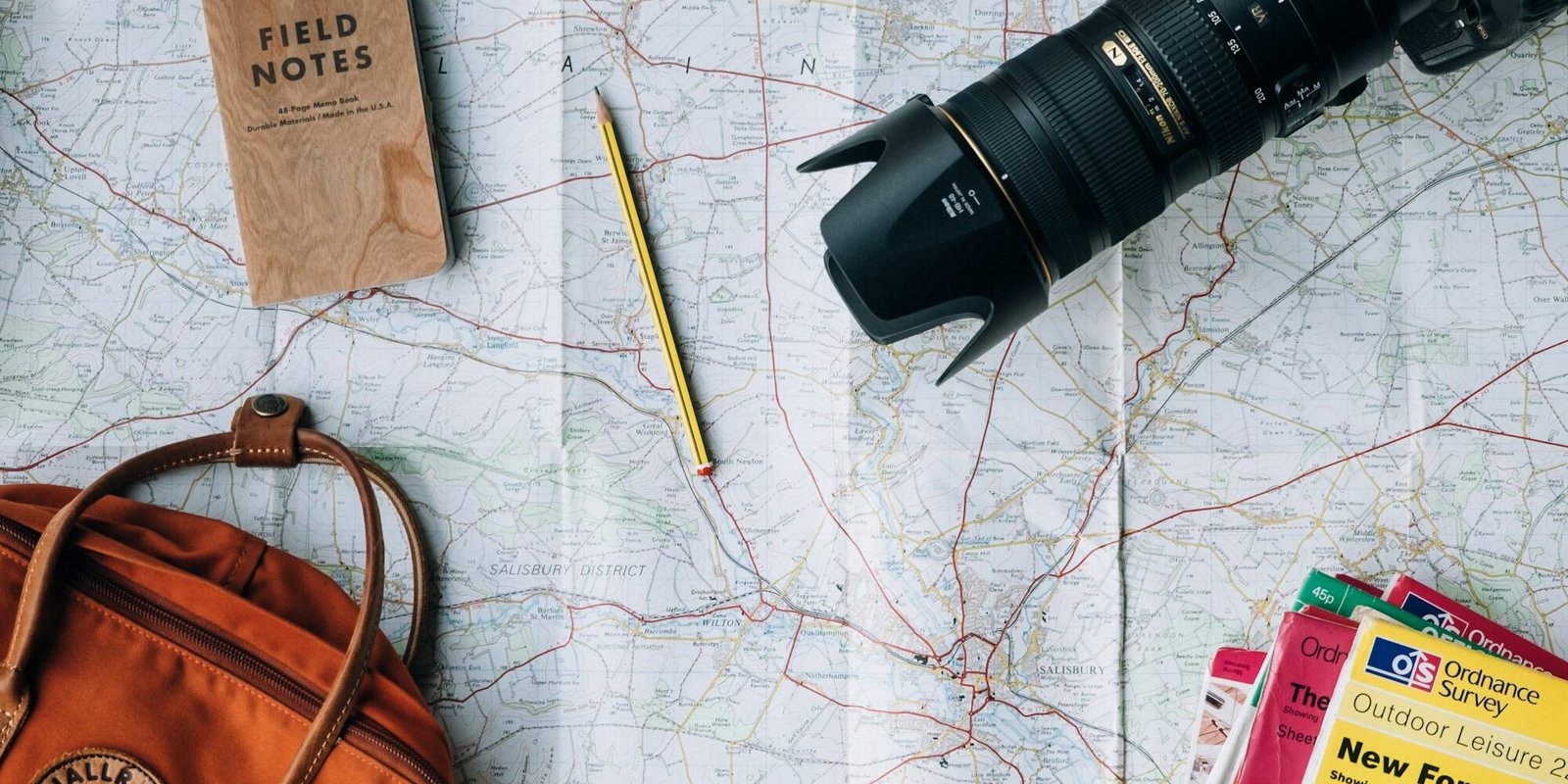
Some trips seem to glide along effortlessly: flights on time, a great place to stay, no forgotten chargers and no panic at the rental-car counter. Luck plays a part, but most smooth trips have something in common — a bit of smart planning before departure. The best part is that good planning doesn’t have to be complicated or time-consuming.
Below are the travel tips we rely on for every getaway, whether it’s a weekend in the mountains or a two-week adventure abroad. They cover budgeting, booking flights and stays, getting around, packing and staying safe — with links to the trusted tools and sites we actually use along the way.
Before you book
1. Set a realistic total budget
Start with a single number for the whole trip, then split it into categories: transport, accommodation, food, activities, local transport and a buffer for surprises (we like 10–15%). Knowing that your accommodation budget is, say, a third of the total makes every later decision easier and keeps you from overspending on day one.
2. Be flexible with dates if you can
Shifting your trip by even a few days — or flying midweek instead of on a Friday — can change prices noticeably. Flexible-date and calendar views on tools like Google Flights, Skyscanner and KAYAK show you the cheapest days at a glance. Price alerts are worth setting too, so you’re notified when fares drop.
3. Consider shoulder season
The weeks just before and after peak season often offer the best balance: pleasant weather, thinner crowds and lower prices for flights and stays. Check typical weather and local holiday dates for your destination before settling on a month.
4. Research your destination from trusted sources
Guidebooks and destination guides from Lonely Planet are a great starting point for understanding a place. For up-to-date traveller opinions on attractions, restaurants and tours, Tripadvisor reviews are hard to beat. Always check your own government’s official travel advice as well — for example, U.S. travellers can review travel.state.gov for entry requirements and advisories.
Booking your stay
5. Match your accommodation to your trip style
Hotels are ideal for short city breaks where you’ll be out all day. Vacation homes and apartments shine for families, groups and longer stays, when a kitchen, laundry and extra space really pay off. Compare options on Agoda, Booking.com, Airbnb and Vrbo — and read our guide on choosing the perfect vacation home before you commit.
6. Prioritise location over luxury
A slightly simpler place in the right neighbourhood usually beats a fancy property that’s a long commute from everything you want to see. The time and money you save on daily transport adds up quickly.
7. Keep an eye on cancellation terms
Non-refundable rates can be cheaper, but flexibility is valuable when you book far ahead. A common approach is to reserve a refundable option early to lock in a good place, then keep watching for better deals as your dates get closer.
Getting around
8. Decide early whether you need a car
In many cities, public transport, walking and ride-hailing are cheaper and less stressful than driving and parking. For national parks, rural areas, island hopping or multi-stop road trips, a rental car can be the key to freedom. If you need one, book early for the best selection and compare offers on sites such as Rentalcars.com or KAYAK Cars.
9. Understand rental-car insurance and fees
Before you get to the counter, check what your credit card or travel insurance already covers, what the rental includes, and the fuel, mileage and young-driver policies. Take photos or a short video of the car — including the fuel gauge and odometer — before driving off, and again when you return it.
10. Download offline maps
Save offline areas in Google Maps for everywhere you’re heading. It’s a lifesaver in mountain valleys, on remote beaches and anywhere mobile data is patchy or expensive.
Packing and money
11. Pack light with a simple list
Build a reusable packing list and stick to it. Choose clothes that mix and match, plan to do a load of laundry on longer trips, and always keep essentials — medication, documents, chargers and a change of clothes — in your carry-on in case checked luggage is delayed.
12. Sort out payments before you leave
Tell your bank you’re travelling if required, carry at least two different cards, and check foreign-transaction fees. A currency tool like XE helps you understand prices quickly. When a card terminal asks whether to pay in your home currency or the local currency, choosing the local currency usually avoids a poor conversion rate.
13. Make digital (and paper) copies of documents
Store photos of your passport, ID, driving licence, insurance policy and booking confirmations in a secure cloud folder, and keep a paper copy separate from the originals. If anything is lost or stolen, you’ll be very glad you did.
On the road
14. Build breathing room into your itinerary
Over-scheduled trips are exhausting. Plan one or two “anchor” activities per day and leave the rest open for wandering, long lunches and the unexpected discoveries that often become the best memories.
15. Consider travel insurance
Medical emergencies abroad, cancelled flights and lost bags can be expensive. A good travel-insurance policy is a small cost relative to the peace of mind it brings — just read what’s covered and excluded before you buy.
Our golden rule: plan the big things carefully, then give yourself permission to relax. The goal is a trip that feels easy, not a perfect spreadsheet.
Your printable pre-trip checklist
- ✅ Total budget set, with a 10–15% buffer
- ✅ Flights compared with flexible dates and price alerts
- ✅ Accommodation booked in the right neighbourhood, with clear cancellation terms
- ✅ Official travel advice and entry requirements checked
- ✅ Transport plan decided (car rental booked if needed)
- ✅ Offline maps downloaded
- ✅ Cards, currency and document copies sorted
- ✅ Travel insurance reviewed
Final thoughts
Great trips rarely happen by accident, but they don’t require obsessive planning either. Focus on the handful of decisions that matter most — budget, dates, where you stay and how you’ll get around — and use trusted tools to make them well. Then pack light, leave room for spontaneity and enjoy the journey.
Looking for somewhere special to stay? Explore our Vacation Homes guides for tips on finding the perfect rental.