Renting a Car for Summit County, Colorado: How Many Days Do You Need?
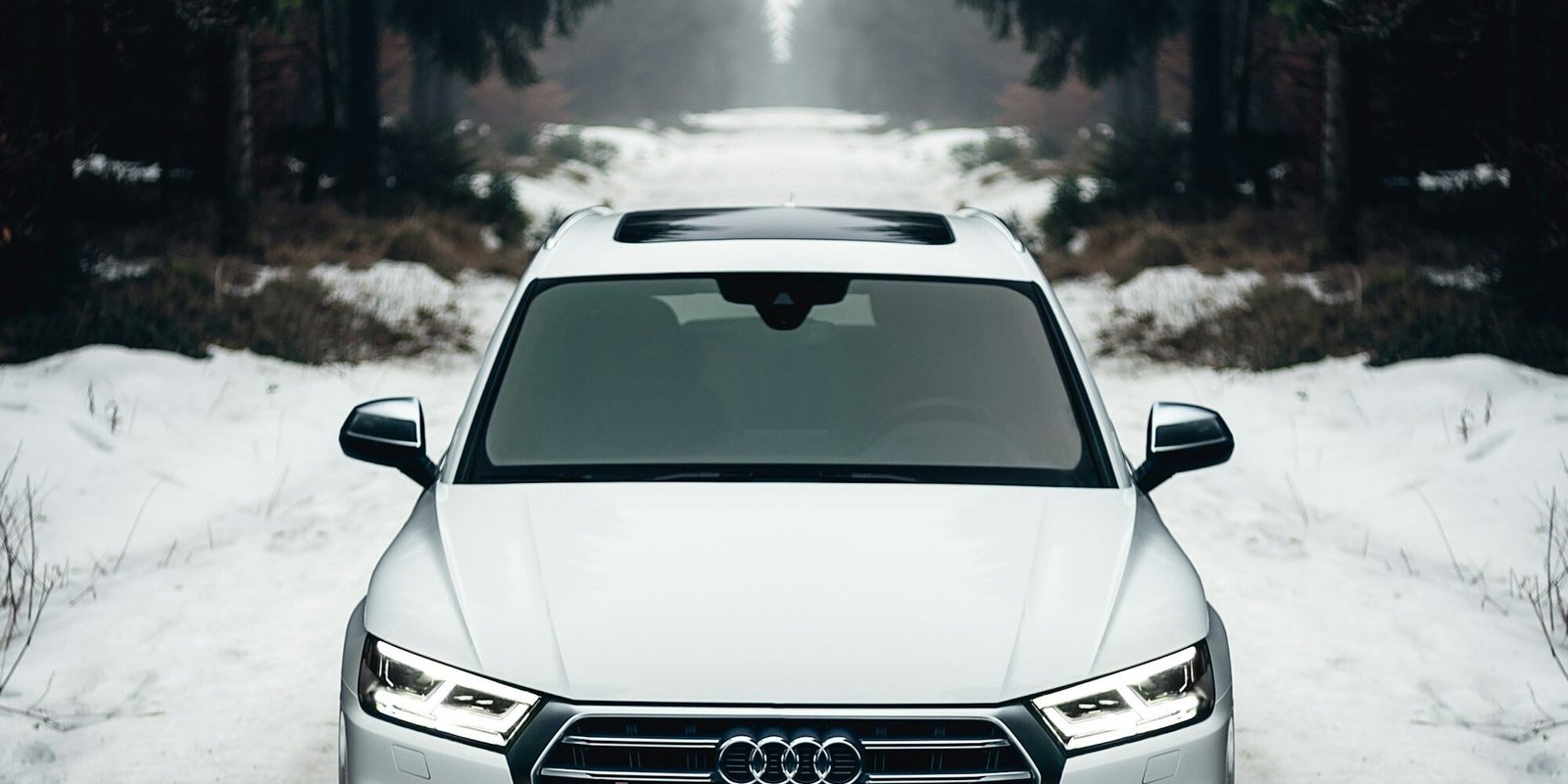
Summit County, Colorado — home to Breckenridge, Keystone, Copper Mountain, Frisco, Dillon and Silverthorne — is one of the most popular mountain getaways in the United States. Whether you’re coming for ski season, summer hiking or a cozy week in a vacation home, one of the first questions you’ll face is simple: should you rent a car, and if so, for how many days?
The answer depends on how long you’re staying, where your rental home is and how much you want to explore beyond your base town. This guide walks you through the drive from Denver, the winter driving rules you need to know, and a simple day-by-day framework for deciding how long to keep your rental car.
Do you actually need a car in Summit County?
Not always — but most visitors are glad they have one. Summit County has a good fare-free public bus system, the Summit Stage, which links the main towns, resorts and shopping areas. If your vacation home is right in a town center or next to a bus stop and you plan to stay put, you could manage without one.
A rental car makes more sense if:
- Your vacation home is up a mountain road or outside the bus network.
- You want to ski or ride at more than one resort during your trip.
- You’re travelling with kids, lots of gear or groceries for a week.
- You’d like to take day trips beyond the county.
- You want the freedom to set your own schedule rather than follow bus timetables.
Getting there: the drive from Denver International Airport
Most visitors fly into Denver International Airport (DEN) and pick up a rental car there. Breckenridge is roughly 97 miles away via Interstate 70, and in good conditions the drive takes around 1.5 to 2 hours. Along the way you’ll climb from Denver’s mile-high elevation to more than 11,000 feet at the Eisenhower–Johnson Memorial Tunnel before dropping into Summit County.
Timing matters. I-70 is notorious for heavy weekend traffic: Friday afternoons heading west and Sunday afternoons heading back to Denver can turn a 90-minute drive into three hours or more, especially during ski season. If your schedule allows, travel midweek or early in the morning, and check live road conditions on COtrip.org, the Colorado Department of Transportation’s traveler information site, before you set off.
Know Colorado’s Traction Law before you book
This is the single most important thing to understand when renting a car for a Summit County trip between autumn and spring. According to the Colorado Department of Transportation, the passenger vehicle Traction Law is in effect on the I-70 mountain corridor between Dotsero and Morrison from September 1 to May 31 every year, and can be activated on other state highways when weather requires.
Under the updated rules, your tires need at least 3/16-inch of tread and must be winter tires (mountain-snowflake symbol), all-weather tires or mud-and-snow (M+S) tires. The law applies to all vehicles, including four-wheel and all-wheel drive — if the tires don’t meet the standard, you must carry chains or an approved alternative traction device. CDOT lists a fine of $50 plus a surcharge for non-compliance, and far higher penalties if a non-compliant vehicle blocks the road.
How many days should you rent a car?
Car rentals are usually charged in 24-hour periods from your pickup time, so the smartest approach is to match the rental to your whole trip and your plans on the ground. Here’s a simple framework:
| Trip length | Suggested rental | Best for |
|---|---|---|
| Weekend (2–3 nights) | 3 days | Airport transfers plus one resort and a relaxed town day |
| Short break (4–5 nights) | 4–5 days | Skiing two resorts, a lake or trail day, dinner in another town |
| Full week (6–7 nights) | 7 days | The classic Summit County vacation-home stay with day trips |
| Extended stay (10+ nights) | 7 days + extra, or split rentals | Remote work stays or combining Summit County with other Colorado areas |
A few money-saving points to keep in mind:
- Compare weekly rates. Rental companies often price a 7-day rental attractively, so a full week can cost little more than five or six days. Always compare the total price for different lengths.
- Watch the return time. Returning a few hours later than your pickup time can trigger an extra day. Plan your drive back around I-70 traffic so you don’t pay for a day you barely use.
- Consider a partial rental. On longer stays near town centers, some travelers use a shuttle from the airport, rely on the Summit Stage for a few days, and rent a car only for the days they’ll explore further.
Sample itineraries by rental length
3-day rental: the quick mountain escape
Day 1: Pick up at DEN, drive up I-70 and settle into your vacation home. Day 2: Spend the day at one resort — Breckenridge, Keystone or Copper Mountain — then explore Main Street in Breckenridge or Frisco in the evening. Day 3: A relaxed breakfast, then drive back to Denver early to beat the afternoon traffic.
5-day rental: resorts, lakes and small towns
Add a second resort day, a scenic stop at Lake Dillon, and some shopping at the outlets in Silverthorne. In summer, swap ski days for hiking, mountain biking or paddleboarding on the reservoir.
7-day rental: the full Summit County experience
With a full week you can mix resort days with rest days, try several towns for dinner and take a day trip — for example to Vail or the historic mining town of Leadville. It’s also the length where having your own car feels most valuable, especially for grocery runs when you’re cooking in your vacation home.
Parking at your vacation home and in town
Before you book a car, check how many parking spaces come with your rental property — condos and townhomes in popular areas sometimes include only one or two spots, and some require a parking permit. In Breckenridge, parking in the town core and at the resort can be paid and busy at peak times, so check the Town of Breckenridge’s parking and transportation guide and consider leaving the car at home on busy ski days and hopping on free local transit instead.
If you’re still choosing where to stay, our guide on how to choose the perfect vacation home rental explains what to look for — including parking and access roads — before you book on sites like Vrbo, Airbnb or Agoda.
Tips for booking your rental car
- Book early for ski season and holidays. SUVs and AWD vehicles are in high demand at Denver in winter. Compare options on Rentalcars.com and KAYAK.
- Choose the right size. Skis, boards and luggage take up a lot of space. A mid-size or full-size SUV is usually more comfortable than a compact for four adults with gear.
- Ask about ski racks and tires. Not every vehicle comes with a ski rack, and tire types vary even within the same model.
- Check insurance and fees. Review what your credit card or travel insurance covers, and look out for airport fees, additional-driver charges and young-driver surcharges.
- Photograph the car. Take photos or a short video of the car, fuel level and mileage at pickup and drop-off.
Mountain driving tips
- Slow down and leave space. Mountain roads can change from dry to icy within a few miles.
- Use lower gears on descents to avoid overheating your brakes, especially heading down from the tunnel and mountain passes.
- Keep the tank at least half full in winter in case of closures or long delays.
- Pack a small winter kit: water, snacks, a blanket, a phone charger and an ice scraper.
- Mind the altitude. Summit County sits above 9,000 feet. Drink plenty of water and take it easy on your first day, especially before a long drive.
The bottom line
For most visitors staying in a Summit County vacation home, a rental car is worth it — and the right length usually matches your whole trip: 3 days for a weekend, 4–5 days for a short break and 7 days for a full week. Book an AWD or 4WD with proper tires between September and May, time your I-70 drives around the weekend rush, and use the free Summit Stage when parking in town is tight.
For more planning ideas, read our 15 essential travel planning tips, check traveler reviews for restaurants and activities on Tripadvisor, and browse the official Colorado tourism site for seasonal events.



[…] suitable tires, and allow extra time for traffic and weather. Heading to Colorado? Our guide to renting a car for Summit County explains tire rules and how many rental days you’ll […]